Artificial turf installation in Nicholasville
Synthetic grass and artificial lawn installs for Nicholasville and Jessamine County homes — clay-aware bases, freeze-thaw drainage, pet-ready surfaces and HOA-conscious layouts.
Synthetic grass and artificial lawn installs for Nicholasville and Jessamine County homes — clay-aware bases, freeze-thaw drainage, pet-ready surfaces and HOA-conscious layouts.
Nicholasville is Jessamine County’s hub — a short drive south of Lexington on US-27, with established neighborhoods, newer subdivisions, farm-edge lots and plenty of yards fighting Kentucky clay through every wet spring and freeze-thaw winter. If you are searching for artificial turf Nicholasville, artificial grass Nicholasville, or synthetic lawn installation Jessamine County, the question is rarely whether turf can look right here. It is whether the base under it is built for clay that will not absorb water and for a climate that freezes, thaws and freezes again instead of staying locked in cold for months.
Lexington Artificial Turf Pros installs artificial grass lawns, pet turf, front-yard conversions and specialty surfaces throughout Nicholasville and the surrounding Jessamine communities listed on our service area page. Estimates are free, written and scheduled on-site so we can read grade, drainage and access before we talk price. Travel within this radius does not carry a surcharge.
Living lawns in Nicholasville fight the same Bluegrass math as Lexington. Spring rains sit on clay. Summer heat browns out Bermuda and fescue patches that never recover evenly. Dogs carve dead rings. Shade under mature trees kills grass that looked fine for two seasons after the house was built. Mowing, watering and reseeding become a calendar tax rather than a hobby.
Synthetic grass ends the irrigation cycle and the seasonal brown-out. That is why artificial lawn Nicholasville searches keep rising among homeowners who already saw a neighbor’s yard stay green through August drought and February mud. It does not mean every lot should be a wall-to-wall rectangle of one-tone green. The yards that read well from the street usually combine a usable turf panel with planting beds, clean edging and grade that already sheds water the right way.
Jessamine County sits on the same slow-draining clay that defines much of central Kentucky. Clay does not absorb water at any useful rate. After a hard rain, low spots hold puddles. After a wet freeze, poorly compacted fill heaves. That combination — impermeable soil plus repeated freeze-thaw — is the reason turf installs that work fine in sandy or arid markets fail here by year three.
A proper Nicholasville base starts with excavation of existing grass and organic material, then a graded aggregate layer compacted in lifts so water moves laterally to a daylight outlet, French drain or existing low point — not into the slab or neighbor’s fence line. We probe and walk grade at the estimate. If the yard already ponds, we price drainage honestly instead of hoping the turf backing alone will solve it. Our drainage and clay soil guide explains why the base is the job in this region.
Nicholasville winters rarely stay frozen for weeks on end. Temperatures cross the freeze line repeatedly. Water in a soft or uneven base expands, contracts and leaves ruts, soft spots and visible low areas under the turf. Quality fiber handles cold just fine; the failure mode is almost always underneath.
That is why we compact in lifts, avoid leaving organic material under the surface, and refuse to “turf over” living sod. A rushed install looks acceptable in October and ugly by the second March. If you want the seasonal picture, read turf in winter — then ask us how we will build the base on your specific lot, not a generic checklist.
Many Nicholasville households want turf because of dogs: mud tracked through the mudroom, urine spots that kill fescue, dug corners by the fence. Pet-rated installs use permeable backing, drainage that actually moves liquid off the surface, and infill chosen for odor control rather than marketing labels alone. Waste is still picked up. A hose rinse keeps the surface clean.
Dedicated dog runs along a fence line are common on Jessamine lots where the main lawn stays softer family turf and the high-traffic strip gets a tougher, faster-draining specification. Details live on our pet turf and dog runs page and the longer guide for dog owners.
Newer Nicholasville subdivisions and planned communities often have architectural guidelines that touch front-yard materials, color range and edge detail. Back yards are usually lighter-touch; street-facing conversions almost always need a packet. We design to published CC&Rs when you share them, provide samples for the board, and avoid layouts that trip obvious pile-height or color rules.
If your association is silent on synthetic grass, that is not automatic approval — it is a reason to ask before excavating. Our HOA artificial turf rules overview covers what boards typically request so you are not inventing the process on install week.
Most Jessamine County inquiries fall into a few patterns:
Many homes combine a front conversion with a full back lawn. Pricing both on one visit keeps color and pile height consistent and saves a second mobilization.
After you accept a written estimate we schedule excavation of existing grass and root mass, base construction with compacted aggregate, perimeter edging, turf roll-out, seaming, anchoring and infill, then power brooming. Most residential Nicholasville lawns finish in one to two days once materials are on site; complex drainage, steep slopes or multi-zone pet layouts take longer because the invisible work expands.
You receive a firm written scope before work starts. We do not start digging on a verbal “ballpark.” The step-by-step is on our installation process page; product and feel questions are covered in the buying guide and infill options.
Artificial grass runs warmer than living grass in full sun — similar to a deck or dark patio. Nicholasville summers are humid and hot enough that south and west exposures deserve an honest conversation about cooling-technology fibres, shade from trees or covers, and whether a rinse hose will be part of midday use. Shaded yards stay comfortable. Our does turf get hot page sets expectations without promising a cold carpet in August.
Installed pricing in Nicholasville tracks the same drivers as Lexington: square footage, access for equipment, how much drainage the clay demands, edge complexity, and the turf grade you choose. Simpler, open back yards land toward the lower end of published ranges; tight side yards, heavy grading and specialty greens move up. We publish ranges on turf cost in Lexington and then lock a firm number after the site visit — not before.
Plenty of Nicholasville lots have a north side that never grows grass, a side yard that funnels roof runoff, or a bank that erodes every spring. Those are often better turf candidates than a flat sunny lawn that still looks decent most of the year. Shade does not kill synthetic grass the way it kills fescue; slope needs extra anchoring and careful base thickness so the carpet does not creep. If your “lawn problem” is really a grade or light problem, say so on the estimate — the specification changes.
Roof downspouts that dump onto a future turf panel need a plan before excavation. We would rather add a short drain run during base work than chase a soft spot under new turf two seasons later.
Artificial grass is low maintenance, not zero. Leaves still fall in Jessamine autumns. Occasional rinsing, brushing high-traffic zones and picking up pet waste keep the surface looking intentional. Heavy snow can sit on turf the same way it sits on a deck; light brushing after melt helps if debris collected in the pile. We do not sell a fantasy of never touching the yard again — we sell ending mowing, watering and reseeding cycles that never win against clay and dogs.
If an older install elsewhere on the property is failing, turf repair or full removal and replacement may be smarter than patching forever. We will say which after looking at the base, not the surface alone.
Natural grass in Nicholasville can look excellent with irrigation, overseeding and time. Many homeowners keep it and should. Turf makes more sense when the yard is already a cost center: repeated dead zones, muddy dog paths, steep banks, or a desire for consistent green without summer watering. Our turf vs natural grass guide lays out the trade-offs without pretending one answer fits every Jessamine lot.
If you are undecided, the on-site estimate is still useful. Seeing grade, shade and access usually clarifies whether a full conversion, a pet strip or a smaller panel is the right scope.
Nicholasville is the largest community just south of Fayette County that we serve regularly. Georgetown, Versailles, Richmond, Winchester, Frankfort, Paris, Danville, Wilmore, Midway and Lawrenceburg are also in range. If you are on the Jessamine–Fayette line or in a rural pocket off US-27, call and ask; coverage is about drive time and crew logistics, not city limits on a map.
Call (859) 765-7401 or use the free quote form. Bring approximate square footage if you have it, note whether the project is front, back or both, and mention dogs, HOA review or known wet spots. We will tell you clearly if a lot needs extra drainage or excavation before we commit a price.
Most estimates are scheduled within 48 hours.
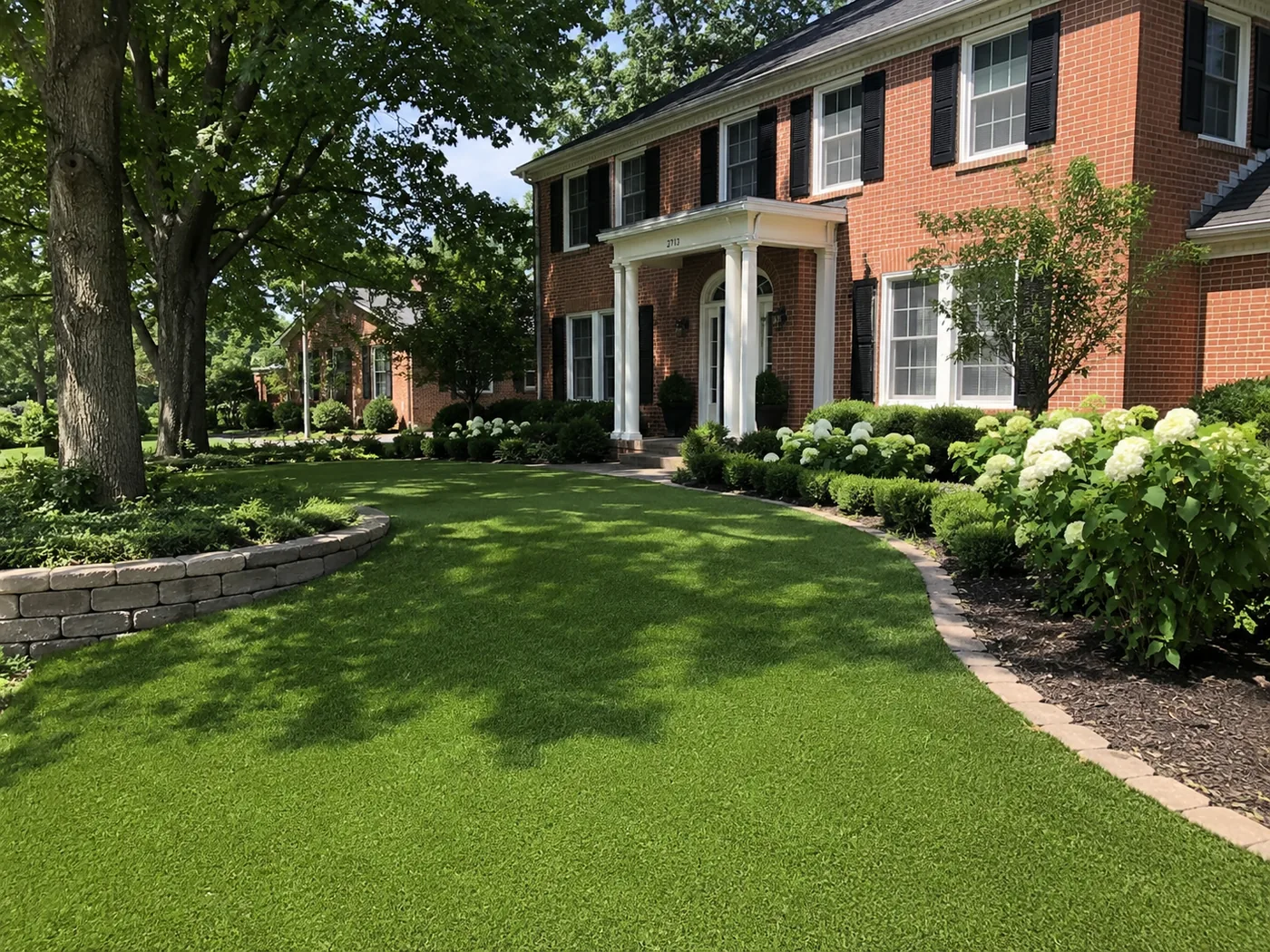
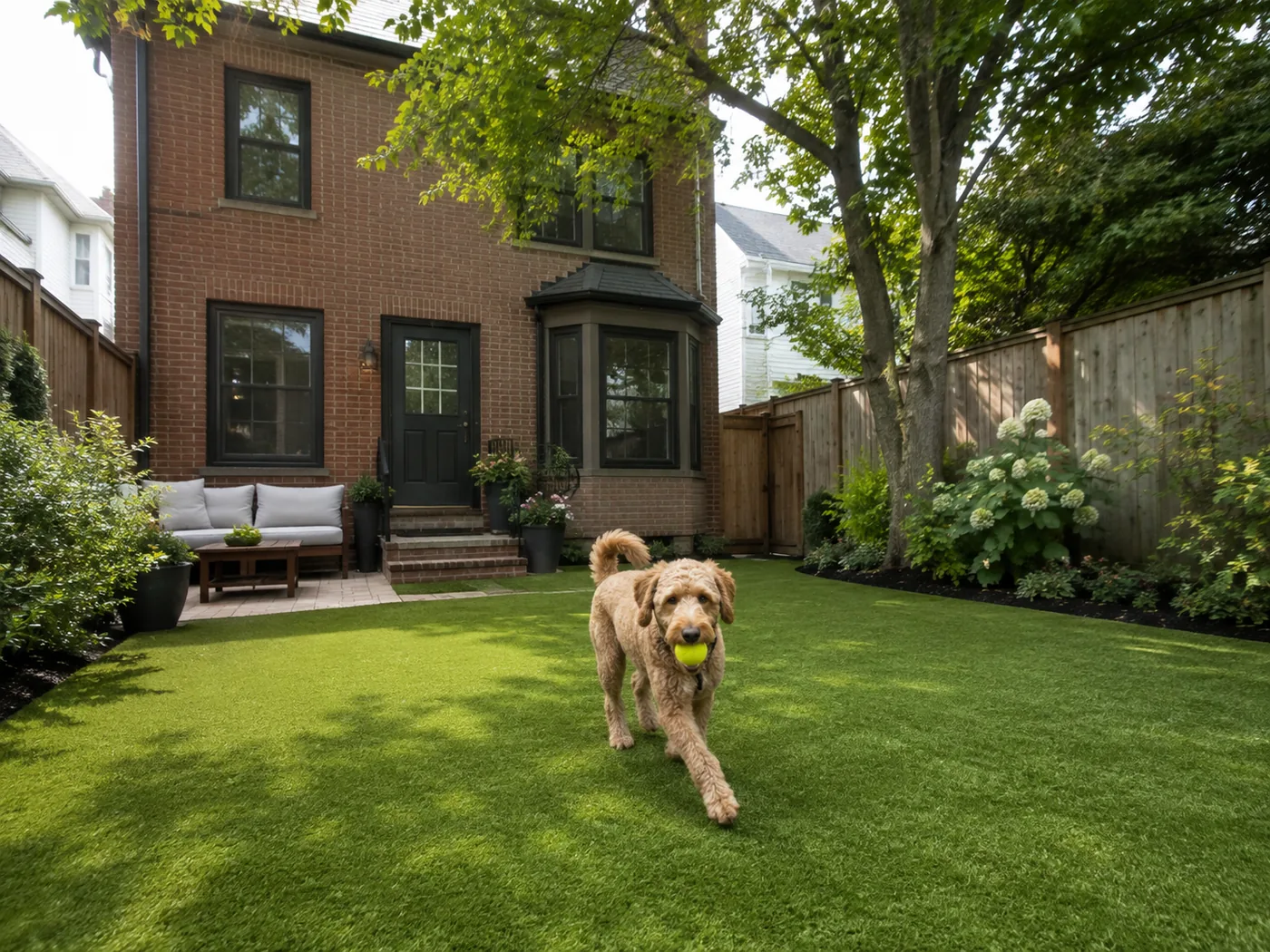
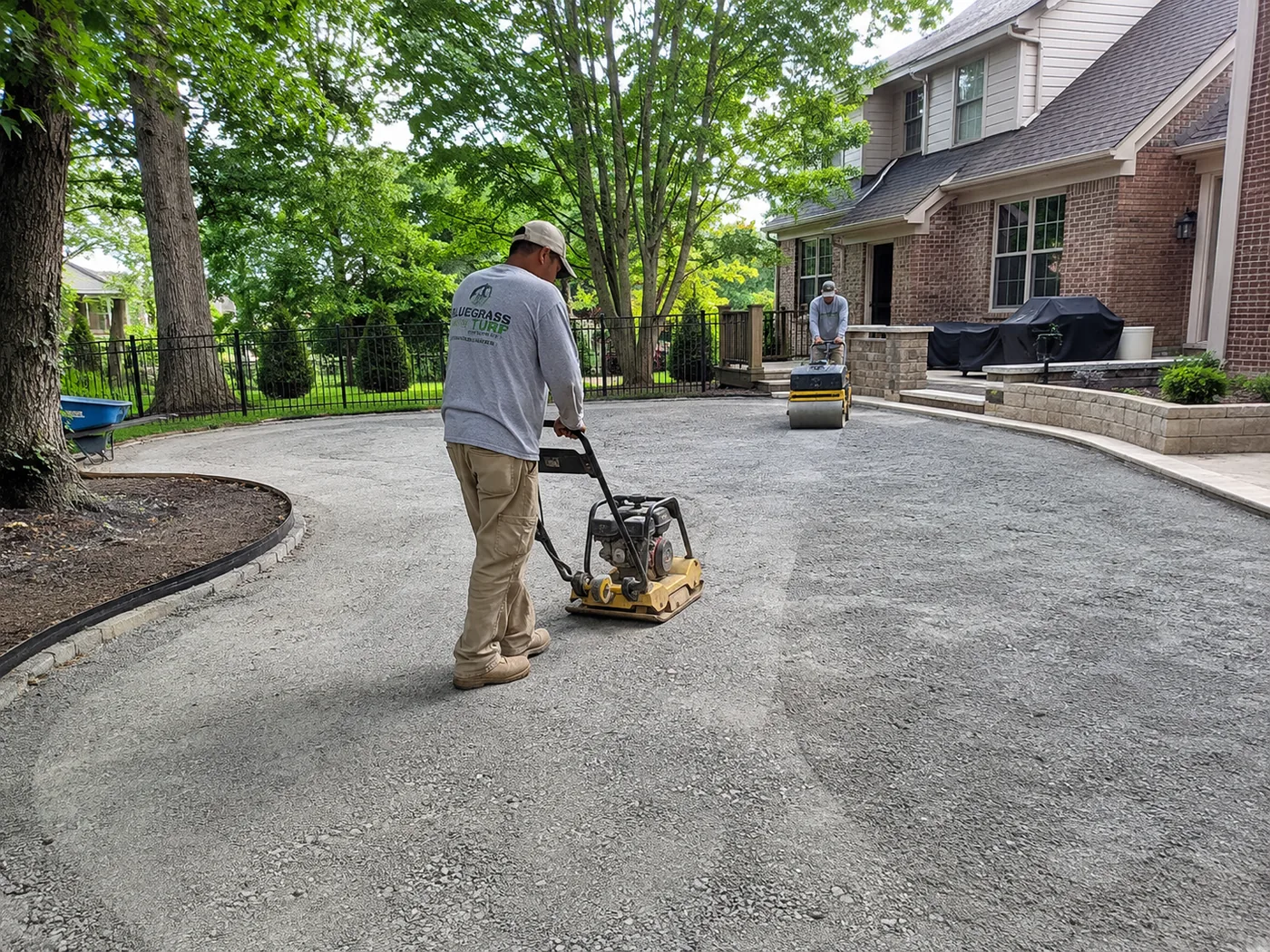
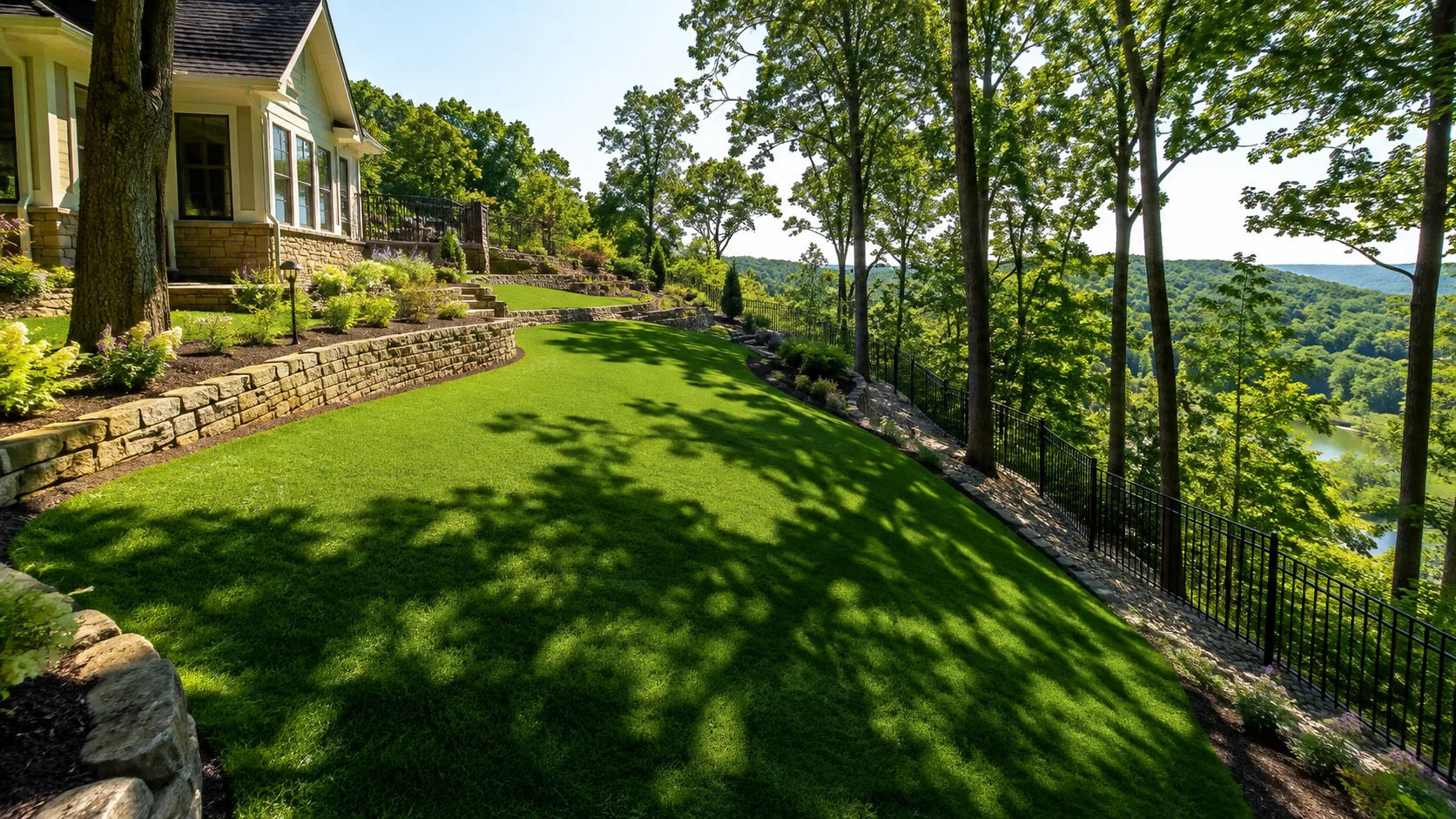
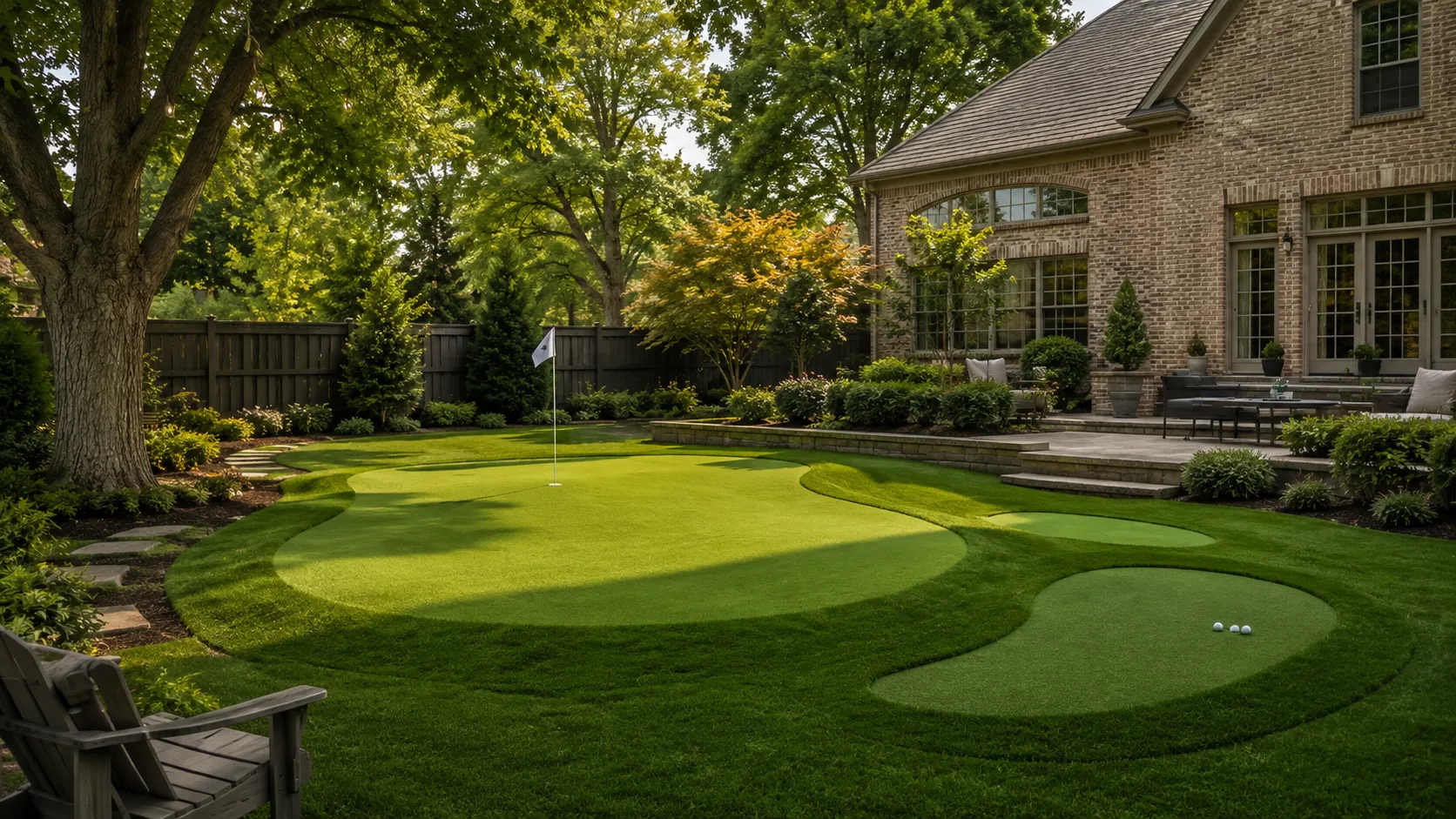
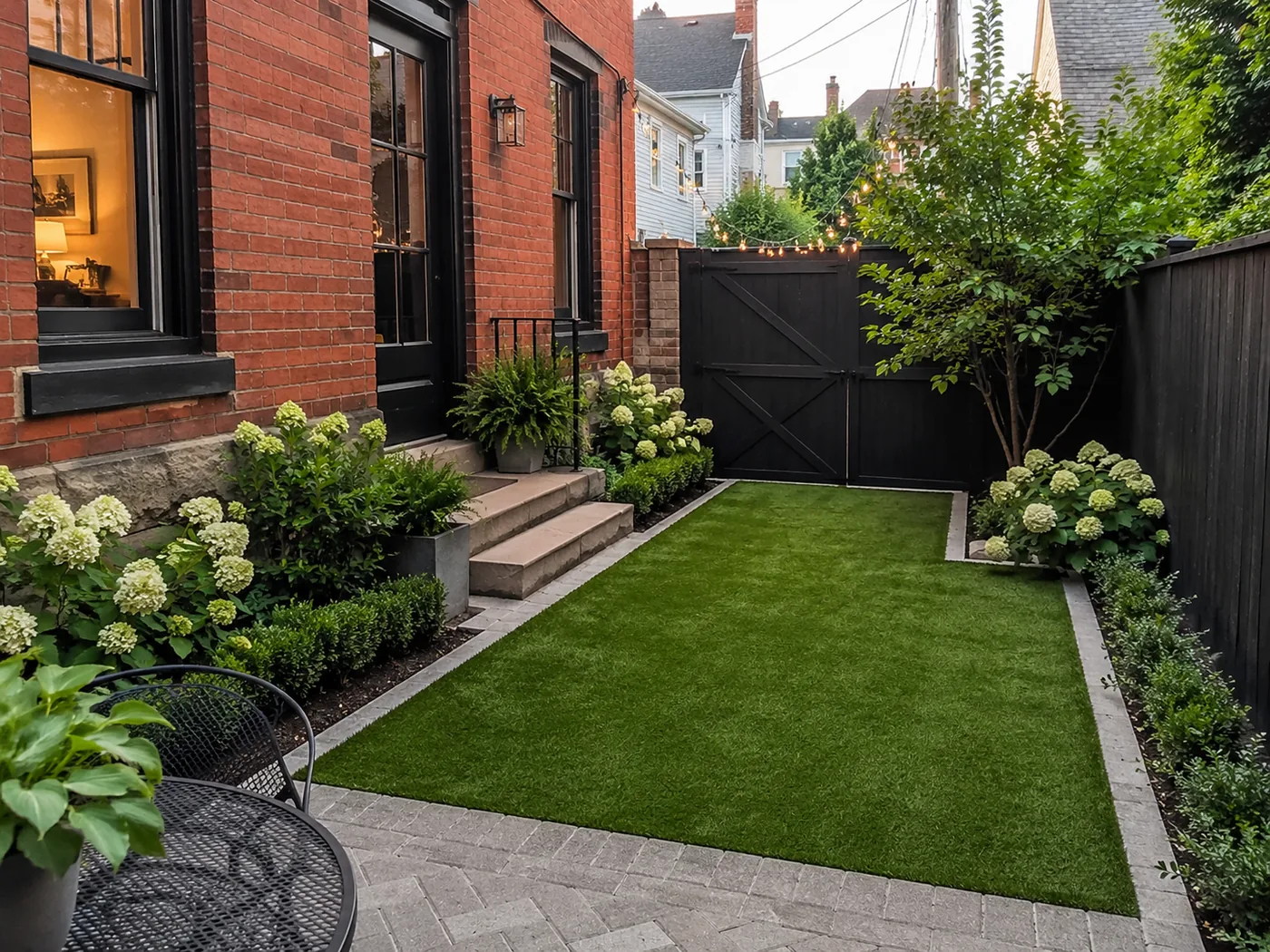
Images are illustrative examples of turf work — not photographs of specific Nicholasville jobs.
Tell us the space and we’ll give you a firm, written price. No pressure, no obligation.