Serving Lexington & all of Fayette County
Free on-site estimates · (859) 765-7401
How to choose artificial turf

How to choose artificial turf

The five specifications that actually matter, and how to read a quote that lists them.

📞 Call (859) 765-7401 Free Estimate
Home Guides Buying Guide

Turf quotes list numbers that mean nothing to most people. Here is what each one does, so you can compare two bids on something other than price.

1. Pile height

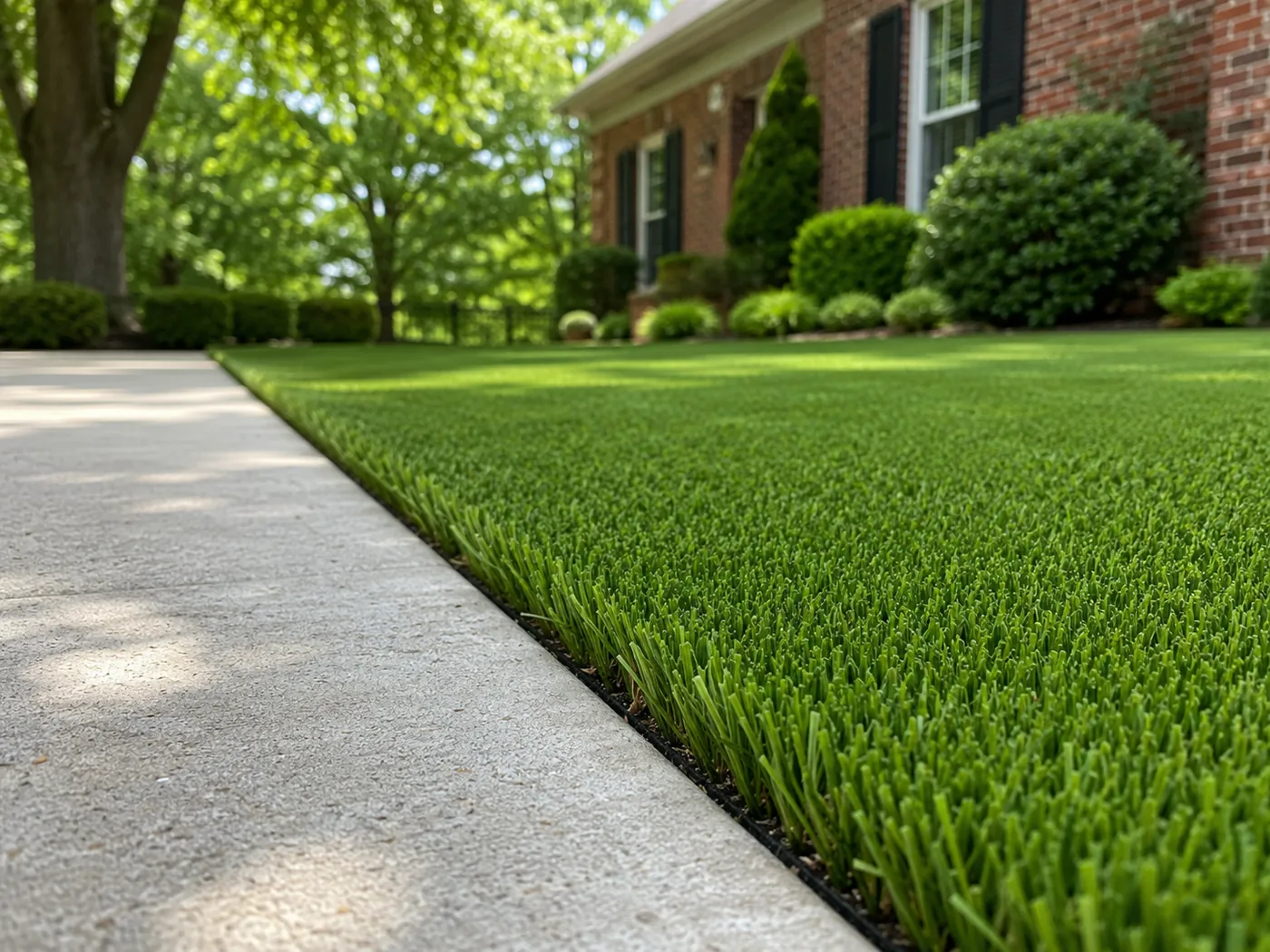
The length of the blades, measured from backing to tip.

  • Under 1 inch — putting greens and sports surfaces. Too short for a lawn; looks like carpet.
  • 1.25–1.5 inches — pet areas and high-traffic. Short enough to stay upright and rinse clean.
  • 1.5–1.75 inches — the sweet spot for residential lawns.
  • Over 2 inches — looks luxurious in a showroom and lies flat within a year in a real yard. Generally avoid.

2. Face weight

Ounces of fibre per square yard, excluding backing. More fibre means denser, more durable turf.

  • Under 50 oz — budget. Fine for a rarely used side yard, thin anywhere else.
  • 60–80 oz — the practical range for residential lawns.
  • 80–100+ oz — premium and commercial. Worth it for front yards and heavy use.

Watch for quotes citing total weight instead of face weight. Total weight includes backing and inflates the figure.

3. Blade shape

Cross-section geometry determines whether blades stand up over time.

  • Flat — cheapest, mats fastest, shines unnaturally in sun.
  • S-blade — good resilience, natural appearance.
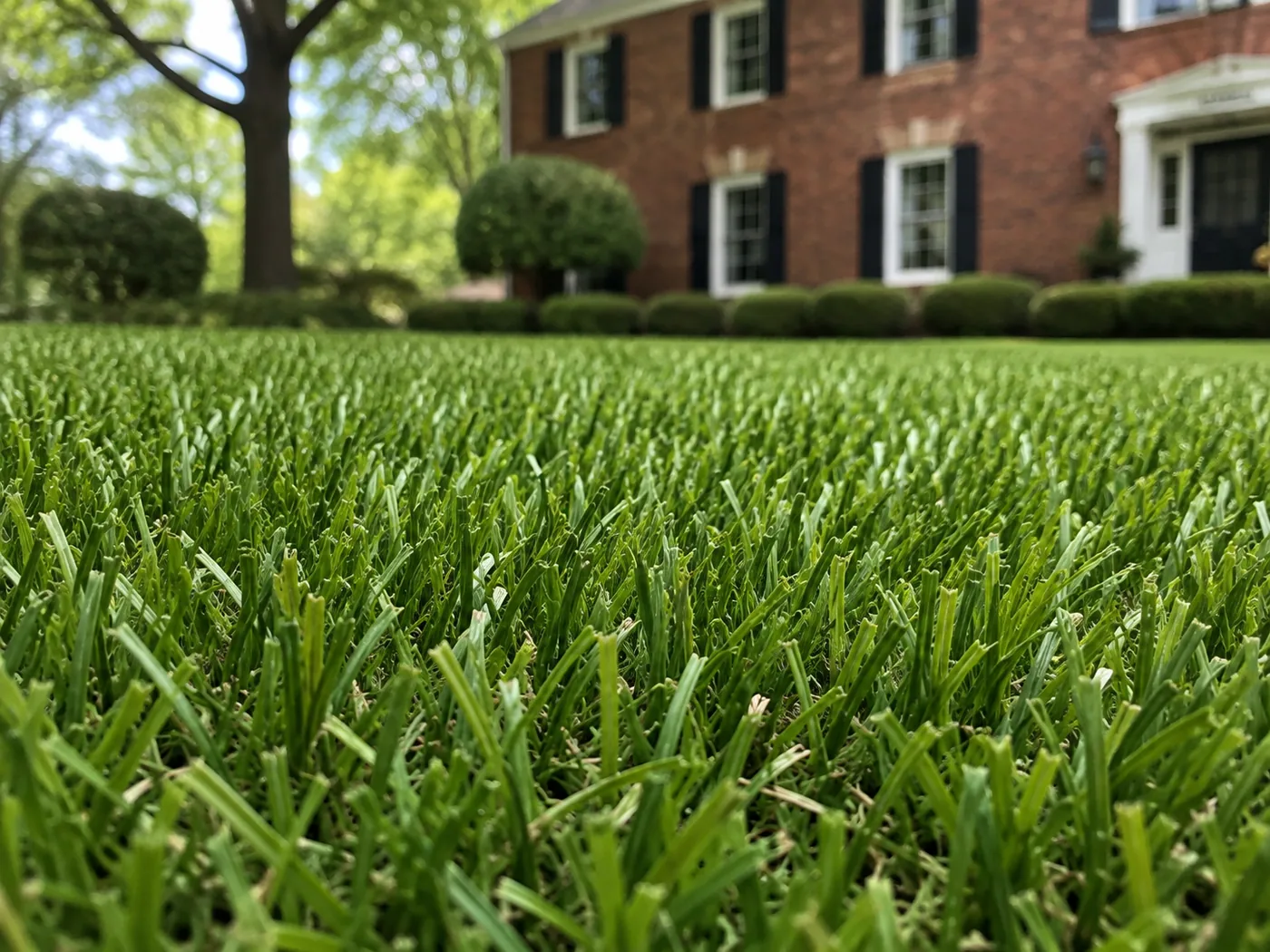
  • W-blade — excellent memory, resists matting well, our usual recommendation for lawns.
  • Diamond or C-blade — very stiff, common in pet and sports turf.

4. Backing

Standard backing is hole-punched at intervals. Fully permeable backing drains across the entire surface at several times the rate, and it is what pet areas require. For a standard lawn on well-drained base, hole-punched is adequate.

5. Colour and thatch

Realistic turf uses at least two green tones plus a tan or brown thatch layer at the base. Single-tone turf is the fastest way to a lawn that reads fake from the street. Ask to see samples outdoors, in daylight, not under showroom lighting.

Warranty

Manufacturer warranties usually run 8 to 15 years against UV degradation and fibre loss. Read what is actually covered — most exclude damage from heat reflection, chemicals and improper installation. A warranty is only as good as the installer still being in business, which is worth weighing.

What we bring to an estimate

Physical samples of the grades that suit your use, so you can see them in your own light against your own house. Specification sheets are a poor substitute for putting your hand on it.

Free On-Site Estimate

Most estimates are scheduled within 48 hours.

Or call (859) 765-7401 — we answer.

Answers

Common questions

What pile height is best for a lawn?
Between 1.5 and 1.75 inches. Shorter looks like carpet across a wide area; over 2 inches lies flat within a year.
What face weight should I look for?
60 to 80 ounces covers most residential lawns. Below 50 is thin, and 80 plus is worth it for front yards and heavy use. Check the quote says face weight, not total weight.
Does blade shape matter?
Significantly. W-blade and S-blade turf resists matting far better than flat blade, which is why cheap turf looks tired quickly in traffic areas.
Related

You might also need

Ready for a lawn that stays green?

Tell us the space and we’ll give you a firm, written price. No pressure, no obligation.
📞 Call Now Free Estimate